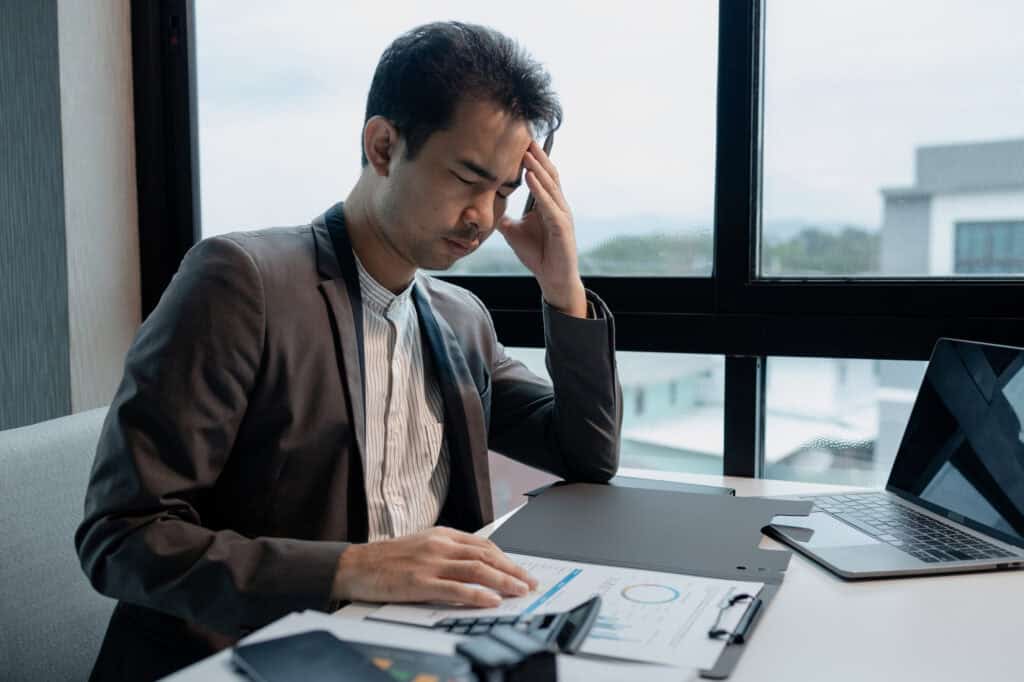
Anxiety is an increasingly common challenge in today’s fast-paced, high-pressure world. Whether it’s triggered by work stress, social situations, or just the constant stream of digital noise, anxiety can affect both mental clarity and physical well-being. While medication can be a vital tool for some, it’s not the only option. Many individuals seek natural approaches to calm their minds and regain control. Fortunately, several evidence-based techniques exist that don’t involve pharmaceuticals but are still effective in managing anxiety symptoms.
Understanding The Root Of Anxiety
Before diving into solutions, it’s important to understand what anxiety is. Anxiety is a natural response to perceived threats—it’s the body’s alarm system designed to keep us safe. But when this system is overactive or triggered too often, it can become overwhelming. People with chronic anxiety often experience racing thoughts, muscle tension, fatigue, insomnia, and a general sense of unease. Natural management begins with recognizing these patterns and gently disrupting them.
Breathwork And Controlled Breathing
One of the simplest and most immediate ways to calm the nervous system is by focusing on the breath. Controlled breathing signals to the body that it’s safe to relax, reducing the production of stress hormones like cortisol and adrenaline. Techniques such as diaphragmatic breathing, box breathing (inhale for four seconds, hold for four, exhale for four, hold for four), or 4-7-8 breathing have been shown to reduce anxiety symptoms within minutes.
The beauty of breathwork is that it’s accessible anytime, anywhere. Whether in the middle of a crowded room or lying awake at night, focusing on your breath grounds you in the present moment and gives your mind something constructive to do. Over time, practicing controlled breathing builds resilience against daily stressors.
Movement And Physical Activity
Regular physical movement is one of the most reliable natural tools for anxiety management. Exercise stimulates the release of endorphins—natural mood lifters—and helps regulate the sleep-wake cycle, which is often disrupted in anxious individuals. But this doesn’t mean you have to commit to intense workouts or long gym sessions. Gentle movement like walking, stretching, swimming, dancing, or yoga can provide similar benefits.
Yoga, in particular, combines physical movement with breath awareness and mindfulness, offering a triple-layered approach to calming the nervous system. Even a 20-minute session can lower blood pressure and ease the mind. Consistency is key; making movement a daily habit offers long-term relief.
Mindfulness And Meditation
Mindfulness is the practice of becoming fully present in the moment—observing thoughts without judgment and noticing sensations without reacting. It breaks the cycle of anxious thinking by shifting the focus from imagined fears to current reality. Meditation, which is often used to cultivate mindfulness, helps rewire the brain to respond more calmly to stress.
Studies show that mindfulness meditation can reduce symptoms of generalized anxiety disorder (GAD), panic attacks, and even post-traumatic stress. Starting with just five minutes a day can lead to significant improvements. Over time, mindfulness becomes less of a technique and more of a lifestyle—a way of interacting with the world with greater ease and less reactivity.
Sleep And Restorative Practices
Sleep and anxiety have a complicated relationship. Anxiety often disrupts sleep, and lack of sleep can make anxiety worse. Prioritizing rest is essential for restoring mental balance. Establishing a calming bedtime routine, turning off screens an hour before bed, and limiting caffeine intake in the afternoon can create conditions for deeper sleep.
Practices such as journaling before bed to unload your thoughts, taking a warm bath, or listening to soothing sounds can help signal to your body that it’s time to wind down. Adequate sleep strengthens emotional regulation and improves the body’s ability to cope with daily stressors.
Nutrition And Gut-Brain Health
What we eat affects how we feel. There’s growing evidence that the gut-brain axis—a communication network between the gastrointestinal tract and the central nervous system—plays a role in mood regulation. Diets high in processed foods, sugar, and caffeine can contribute to increased anxiety, while nutrient-rich diets support emotional well-being.
Incorporating foods rich in omega-3 fatty acids, magnesium, probiotics, and B vitamins can support nervous system function. Staying hydrated and avoiding excessive alcohol also help stabilize mood. While dietary changes don’t offer instant results, they create a supportive foundation for long-term mental health.
Human Connection And Support
Isolation can intensify anxiety, while meaningful human connection can ease it. Spending time with loved ones, joining a group with shared interests, or seeking professional counseling or coaching can help individuals feel seen and supported. Talking about your worries doesn’t make them worse—it often helps lighten the emotional load.
Support doesn’t always have to come from others, either. Acts of self-compassion—like taking a mental health day, saying no without guilt, or offering yourself kindness—can create a sense of internal safety. When people feel safe emotionally, anxiety tends to lose its grip.
Consistency, Not Perfection
The journey to managing anxiety naturally is not about doing everything perfectly—it’s about doing what works, consistently. Everyone’s path looks different. Some may find their calm in nature walks and journaling, while others may prefer guided meditation and stretching. The most important step is taking action and making small shifts every day.
Natural anxiety management is not a quick fix, but it is a sustainable and empowering approach. It puts you in the driver’s seat of your mental health and encourages a deeper connection with your body and mind. Over time, these natural techniques don’t just reduce anxiety—they build resilience, clarity, and confidence that carry into every area of life.
Discover more through these resources:
https://uggaustraliasalenet.com/
https://travellingtrailer.com/
https://kumpulanbandarpoker.org/
https://thecbdstoreonline.com/
https://mrfinancechallenge.com/
https://destinationovertornea.org/